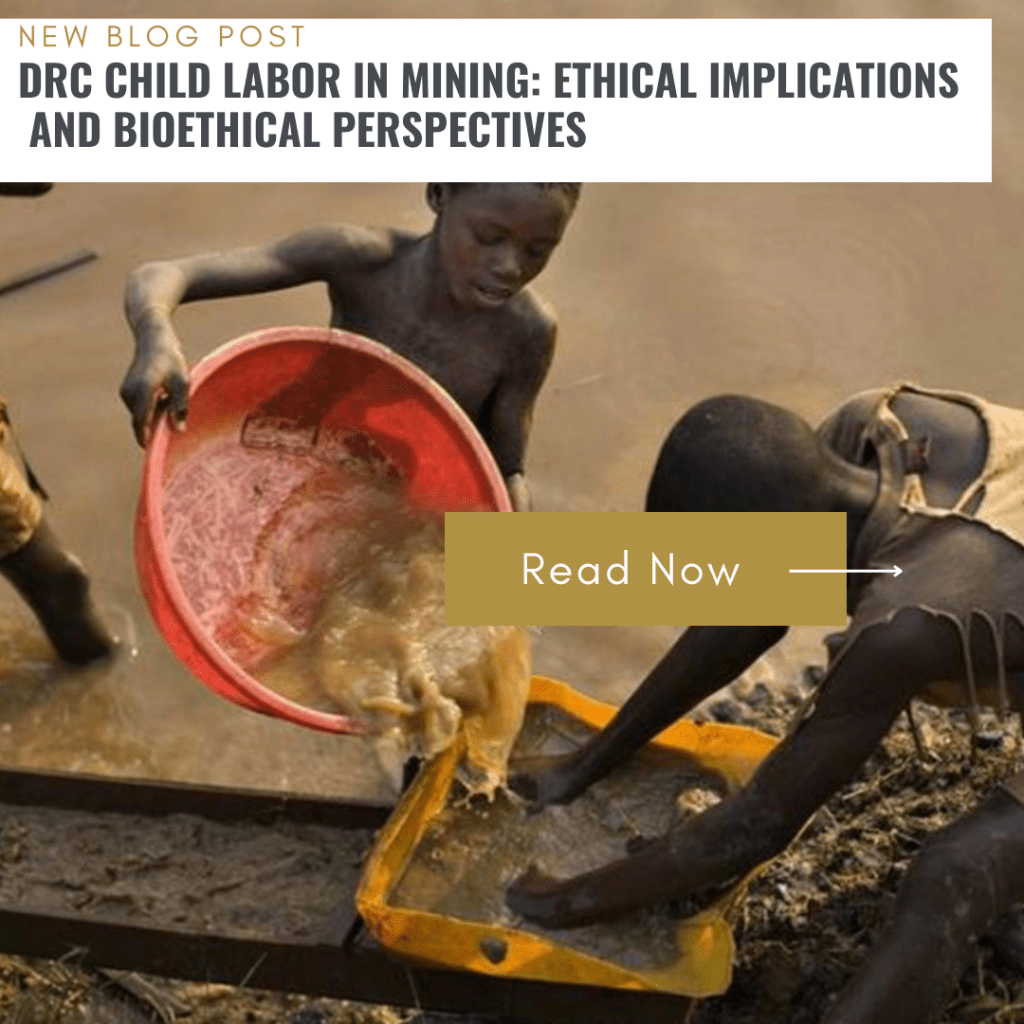
Child labor in mining is a persistent problem in the Democratic Republic of Congo (DRC). The use of children in mining activities raises ethical dilemmas and bioethical concerns. This post will explore the ethical implications of child labor in mining in the DRC, and analyze the issue from a bioethical perspective.
Ethical Concerns

The use of child labor in mining activities in the DRC raises ethical concerns. Children who work in mines are exposed to hazardous working conditions, such as exposure to toxic chemicals and dangerous machinery (Mwenge, 2021).
This puts their health and safety at risk, and violates their right to a safe and healthy working environment (International Labour Organization, 1999). The use of child labor in mining also deprives children of their right to education and denies them the opportunity to develop to their full potential (United Nations, 1989).
Bioethics
Moreover, the exploitation of children in mining activities in the DRC also raises bioethical concerns. Children who work in mines are often subjected to long hours of work, which can lead to physical and mental exhaustion (Mwenge, 2021). This can have long-term effects on their health and well-being, and can also affect their cognitive development. Additionally, children who work in mines are often exposed to toxic chemicals, which can have adverse effects on their health and development (Rogers, 2021).
Principles of Bioethics
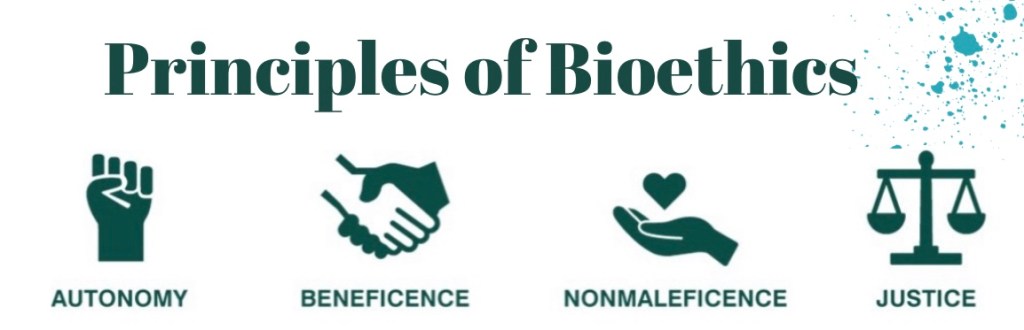
Additionally, the exploitation of children in mining activities in the DRC violates the principle of non-maleficence, which requires that actions do not cause harm to others (Beauchamp & Childress, 2013).
From a bioethical perspective, the issue of child labor in mining in the DRC raises questions about justice and autonomy. Children who work in mines are often from marginalized communities and are economically disadvantaged (Mwenge, 2021).
This raises questions about distributive justice and the fair distribution of resources. Additionally, children who work in mines are often forced to work due to economic pressures and are unable to exercise their autonomy (United Nations, 1989). This violates the principle of autonomy, which requires that individuals have the right to make decisions about their own lives (Beauchamp & Childress, 2013).
In conclusion, child labor in mining in the DRC raises ethical and bioethical concerns. The use of child labor in mining violates the right to a safe and healthy working environment, deprives children of their right to education and development, and raises concerns about justice and autonomy. However, it is important to recognize that addressing this complex problem will require the involvement of multiple stakeholders, including governments, NGOs, and communities, working together to protect the rights and well-being of children in the DRC.
Next post we will examine each bioethics principle with reference to child labor in mining in the DRC.
References:
Beauchamp, T. L., & Childress, J. F. (2013). Principles of biomedical ethics. Oxford University Press.
International Labour Organization. (1999). Convention No. 182: Worst Forms of Child Labour Convention.
Mwenge, J. (2021). Child labour in artisanal mines in the Democratic Republic of Congo: Challenges and prospects for the elimination of the worst forms of child labour. African Journal of International and Comparative Law, 29(3), 386-409.
Rogers, K. (2021). Child labor in Congo’s cobalt mines. Chemical & Engineering News, 99(5), 26-30.
United Nations. (1989). Convention on the Rights of the Child.
 Ly-die