Introduction
The Democratic Republic of Congo (DRC) is a country rich in natural resources, particularly in the mining sector (Kapanga, 2020). However, the mining industry has been associated with numerous ethical concerns, including environmental degradation, child labor, and conflict financing (Amnesty International, 2016). Evaluating the future of Congolese mining towards a sustainable and ethical industry requires a holistic approach. In this article, we explore the use of health humanities and health policy and ethics frameworks for evaluating the future of Congolese mining towards a sustainable and ethical industry.
The Role of Health Humanities in Evaluating the Mining Industry

Health humanities is an interdisciplinary field that combines the arts, humanities, and social sciences to explore the human experience of health and illness (Barron & Khan, 2017). The use of health humanities frameworks can provide a broader perspective for evaluating the impact of the mining industry on the health and well-being of Congolese communities.
Narrative Medicine

Narrative medicine is a health humanities framework that focuses on the importance of stories in healthcare (Charon, 2006). In the context of Congolese mining, narrative medicine can be used to gather the stories of individuals affected by the mining industry. These stories can provide insight into the impact of mining on the health and well-being of individuals and communities.
Medical anthropology

Medical anthropology is another health humanities framework that can be used to evaluate the mining industry’s impact on the health and well-being of Congolese communities (Farmer, 2011). Medical anthropology recognizes that health is not just a biological phenomenon but is also shaped by social, cultural, and economic factors. In the context of Congolese mining, medical anthropology can be used to understand how cultural and social factors influence the health and well-being of individuals and communities affected by the mining industry.
The Role of Health Policy and Ethics in Evaluating the Mining Industry

Health policy and ethics focus on the ethical and moral dimensions of healthcare (Schuklenk, 2015). Evaluating the future of Congolese mining towards a sustainable and ethical industry requires an understanding of the ethical implications of the mining industry.
Ethical Concerns
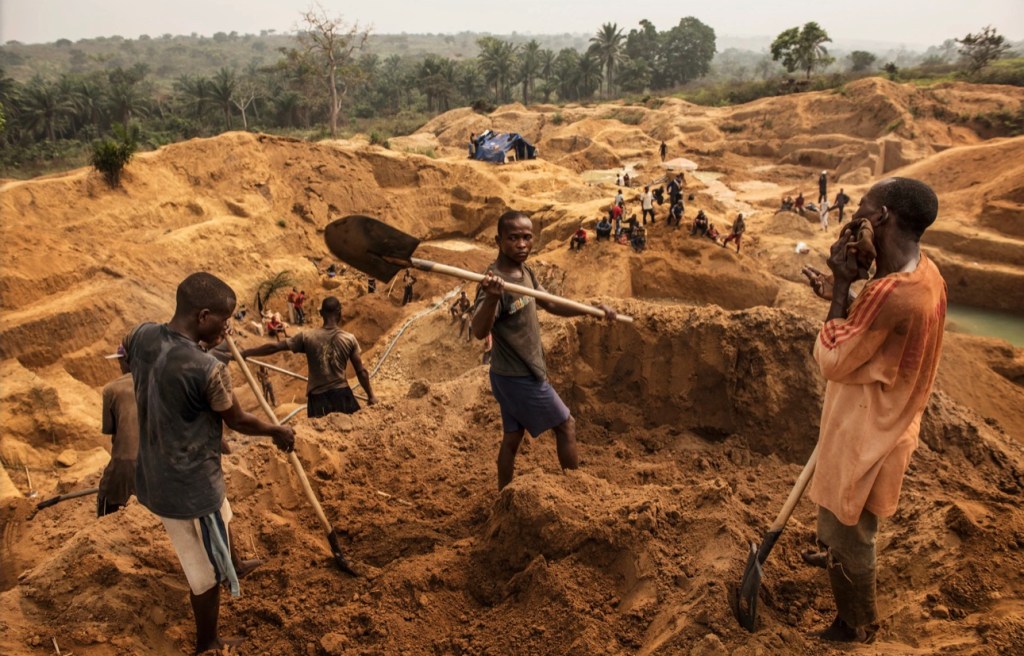
One ethical concern associated with the mining industry in the DRC is child labor (Amnesty International, 2016). According to a report by Amnesty International, children as young as seven years old are working in mines in the DRC. Health policy and ethics frameworks can be used to evaluate the ethical implications of child labor in the mining industry and inform policies and practices that protect the rights of children.
Environmental degradation is another ethical concern associated with the mining industry in the DRC (Kapanga, 2020). The mining industry is responsible for significant deforestation, water pollution, and soil erosion. Health policy and ethics frameworks can be used to evaluate the environmental impact of mining and inform policies and practices that promote sustainable mining practices.
Conclusion

Evaluating the future of Congolese mining towards a sustainable and ethical industry requires a holistic approach. Health humanities and health policy and ethics frameworks provide a broader perspective for evaluating the impact of the mining industry on the health and well-being of Congolese communities. By using narrative medicine, medical anthropology, and health policy and ethics frameworks, we can gain a better understanding of the ethical implications of the mining industry and inform policies and practices that promote a sustainable and ethical mining industry in the DRC.
References
Amnesty International. (2016). This is what we die for: Human rights abuses in the Democratic Republic of the Congo power the global trade in cobalt. Retrieved from https://www.amnesty.org/download/Documents/AFR6231832016ENGLISH.PDF
Barron, J., & Khan, A. (2017). The Role of Health Humanities in Addressing the Health Impacts of Climate Change
Charon, R. (2006). Narrative medicine: Honoring the stories of illness. Oxford University Press.
Farmer, P. (2011). Infections and inequalities: The modern plagues. University of California Press.
Kapanga, C. (2020). The ethics of mining in the Democratic Republic of Congo: A review of the literature. Journal of Business Ethics, 165(1), 43-54. doi: 10.1007/s10551-018-4055-8
Schuklenk, U. (2015). Ethics in health policy and systems research. Health Policy and Planning, 30(6), 847-850. doi: 10.1093/heapol/czu092
 Ly-die