Dimensions of Healthcare: A Personal Reflection Based on Care Ethics
Introduction: A Caregiver’s Perspective
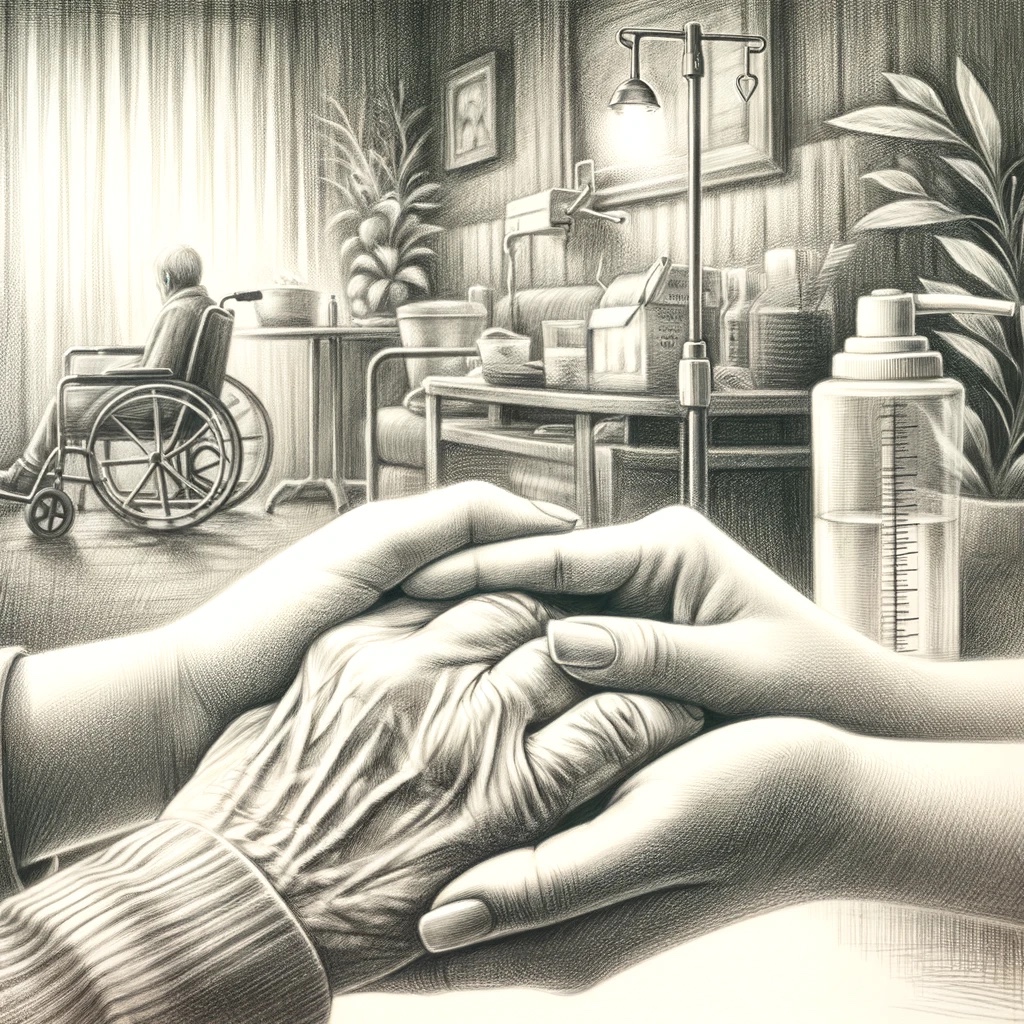
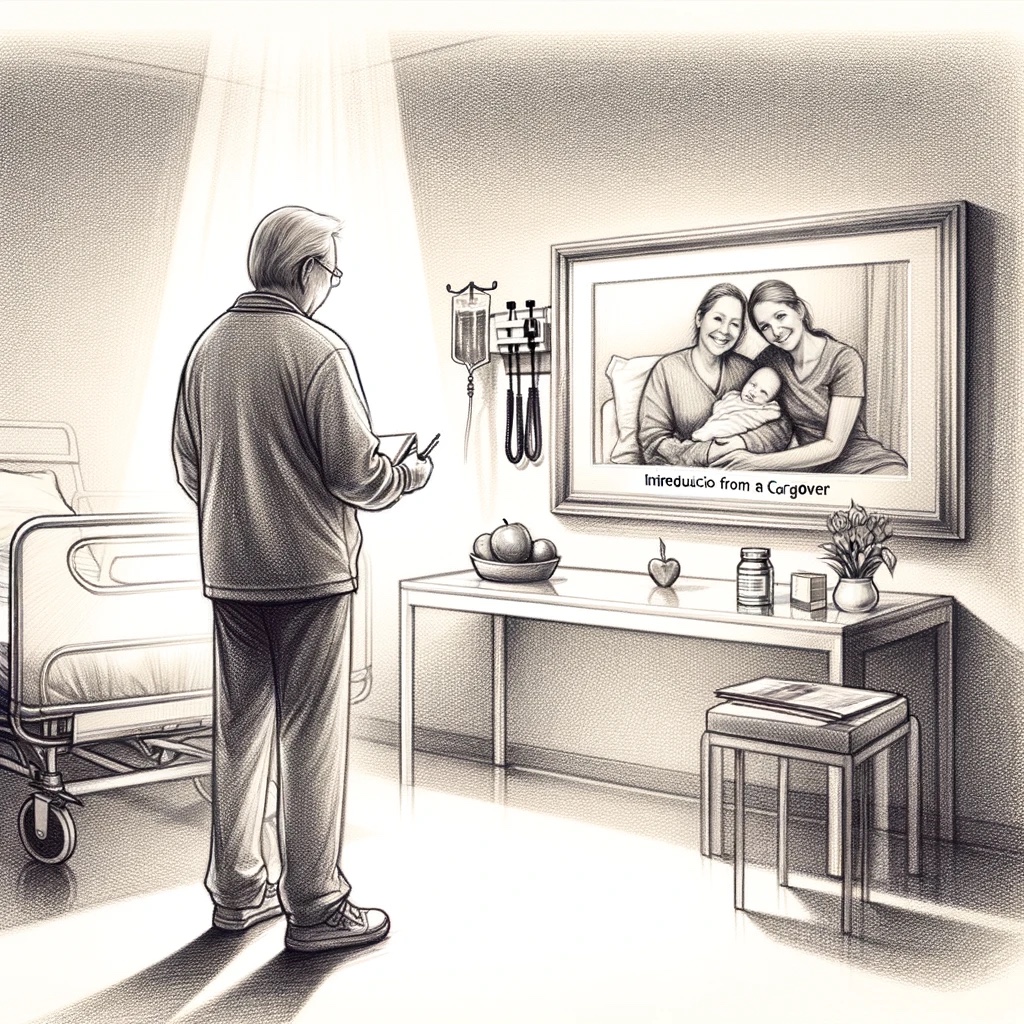
My initiation into the world of healthcare was not through medical training or professional practice, but through the deeply personal avenue of care. I was a caregiver to someone close, someone who mattered more than the world to me. This role thrust me into a complex of experiences that exposed the stark disparities in healthcare and the ethical dilemmas therein.
Disparities in the Fabric of Healthcare
The Tale of Two Neighborhoods
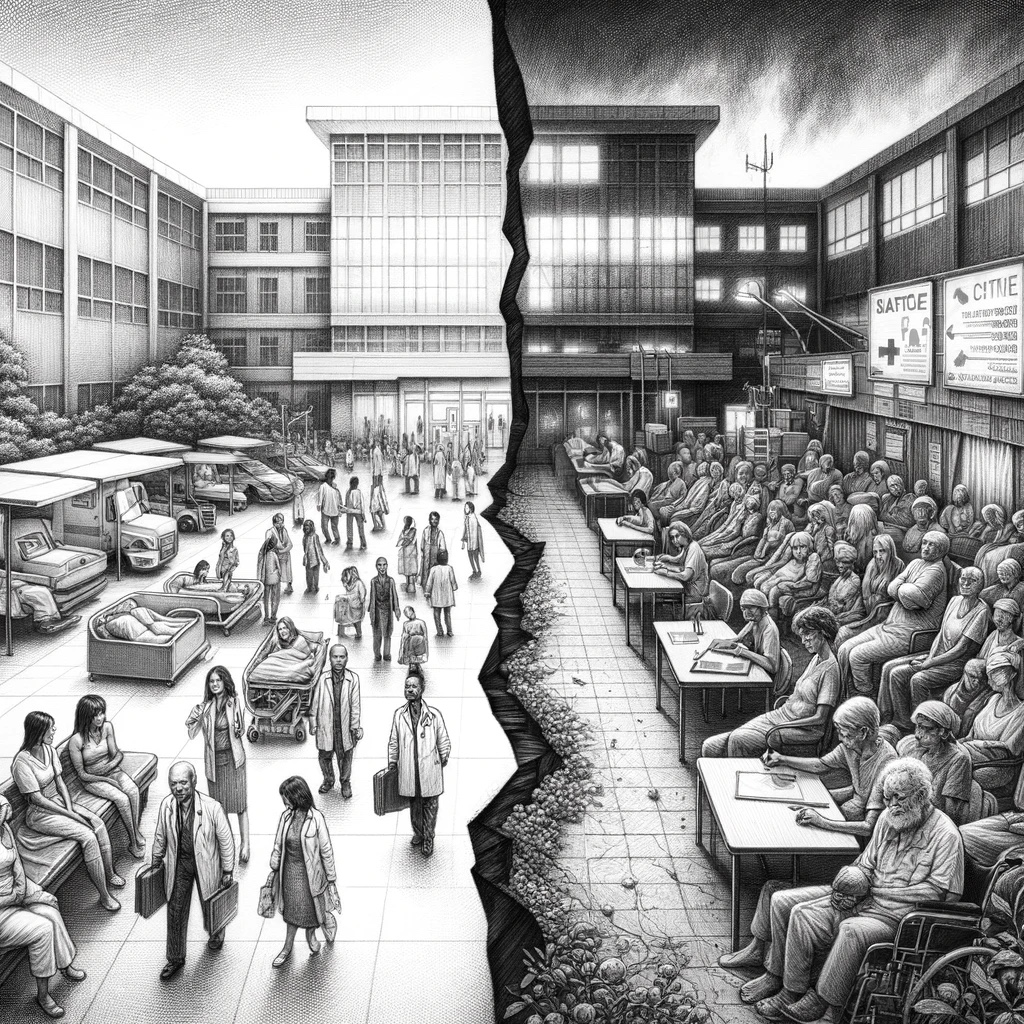
In the United States, healthcare quality is a mirror reflecting the racial and socioeconomic divides of our neighborhoods. In my caregiving journey, I navigated this divide, witnessing the qualitative chasm between care in our modest neighborhood and that in the affluent parts of the city.
The Deterioration of Care
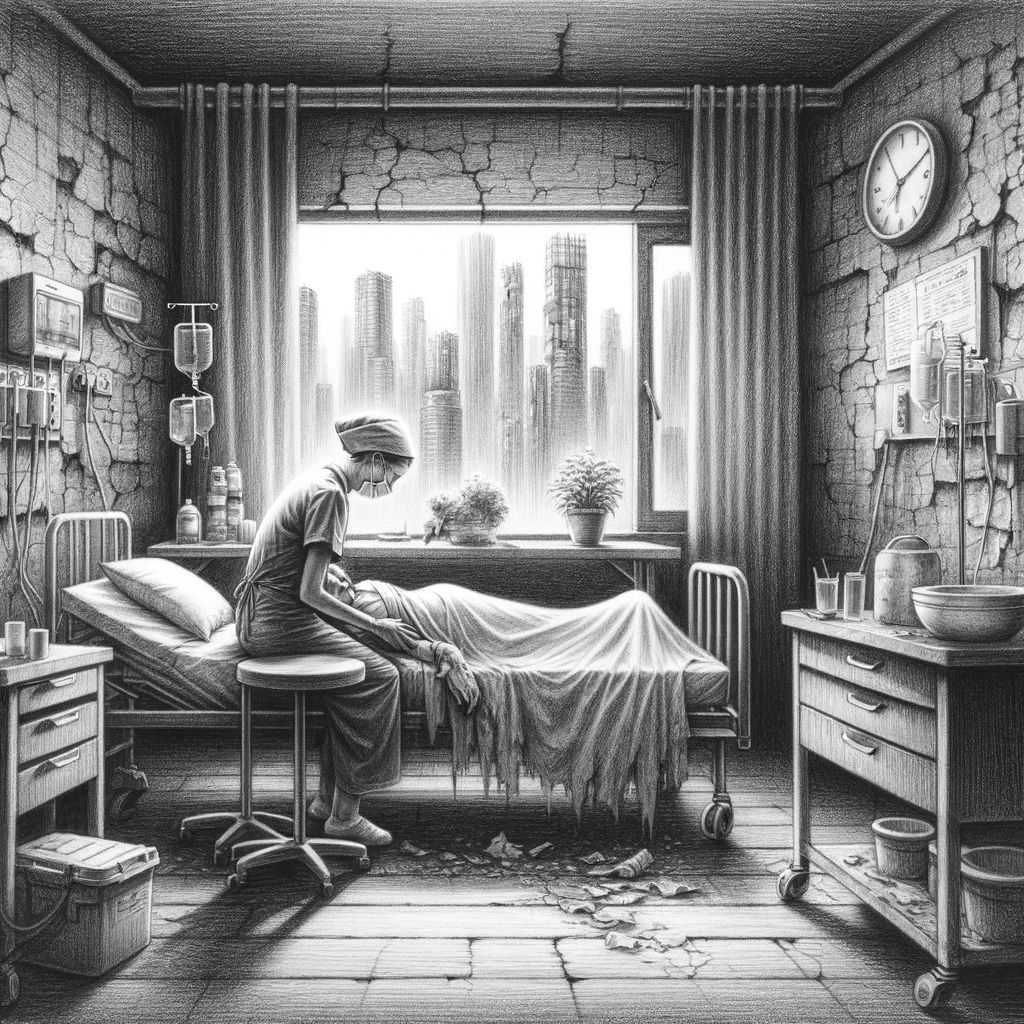
As I cared for my loved one, her health declined—a decline that seemed to be hastened not just by illness but by a system that appeared indifferent to her suffering. This was a system where the amount of care one received was proportional to the wealth and demographics of their neighborhood, and inversely related to the need for human compassion.
The Core of Care Ethics
Understanding Care Ethics
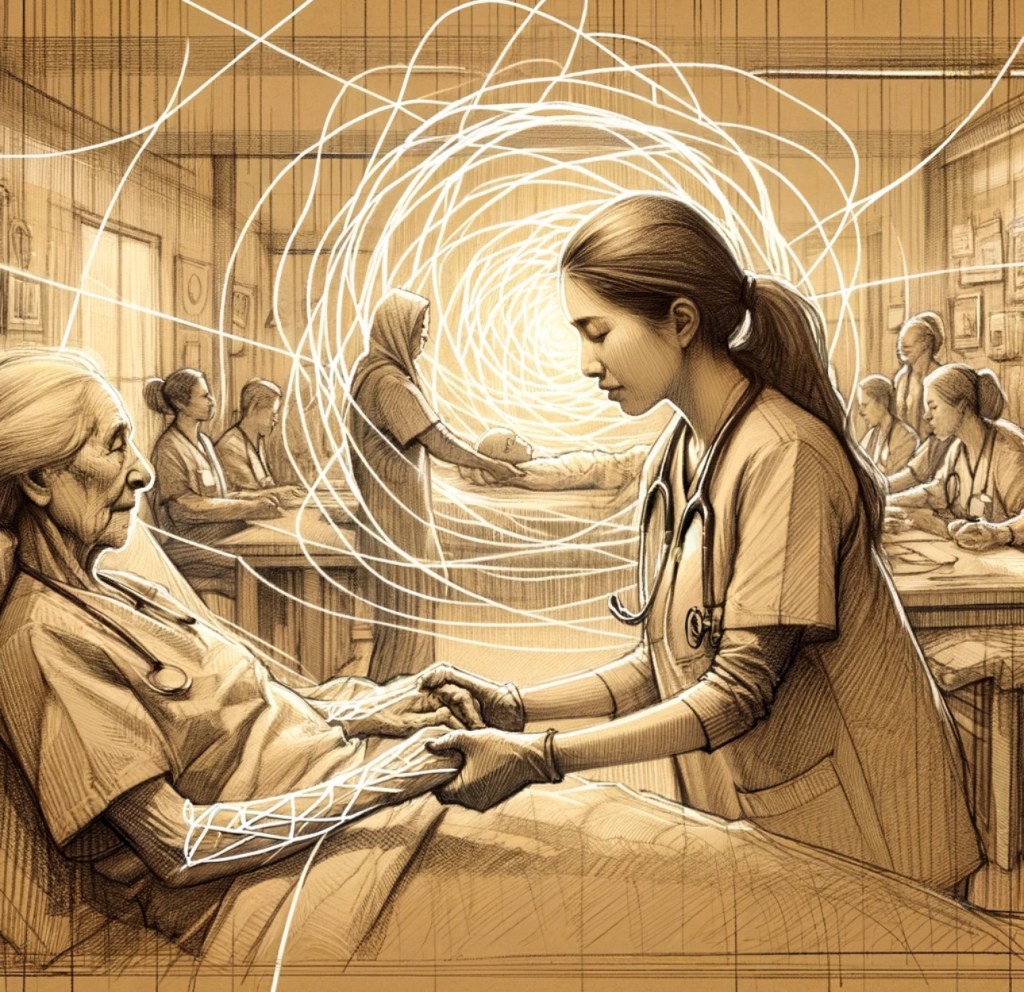
Care ethics is rooted in empathy, responsibility, and recognizing the interconnectedness of human relationships. It challenges the traditional impersonal and clinical approach, advocating for healthcare to be delivered with a sense of empathy and moral duty.
The Role of Narrative Medicine
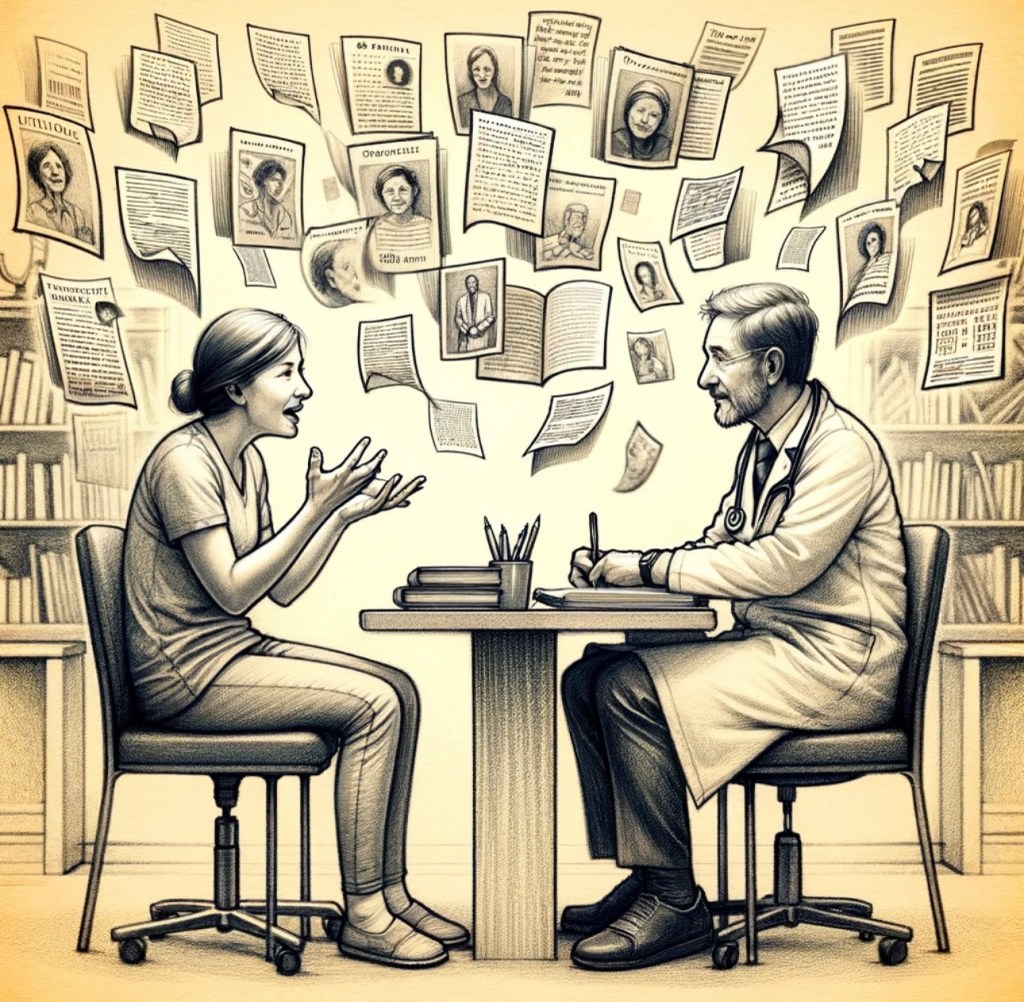
Narrative medicine emerges as a beacon of hope, insisting that the patient’s story is not just a footnote but the central chapter in their treatment. This approach could have changed everything for my loved one, turning her into a participant in her care rather than a subject of it.
ADVOCATING FOR CHANGE
The need for change is undeniable. We must advocate for a healthcare system that incorporates narrative medicine, where every patient’s story is integral to their diagnosis, treatment, and healing process.

CONCLUSION
Upholding Care Ethics in Healthcare Care ethics must be the cornerstone of healthcare. It is about more than just medical treatment; it is about honoring the interdependent nature of human relationships. We must push for a healthcare system that is empathetic, responsible, and equitable — one that sees and treats every patient as a person with their own unique story and worth. Only then can we ensure that the concept of care remains at the heart of healthcare.
 Ly-die
One response to “Care Ethics”
I look forward to reading more about what narrative medicine is and it’s role in combating the socioeconomic inequalities that currently impact the healths of patients who spend an extreme amount of time in the healthcare system!
LikeLike