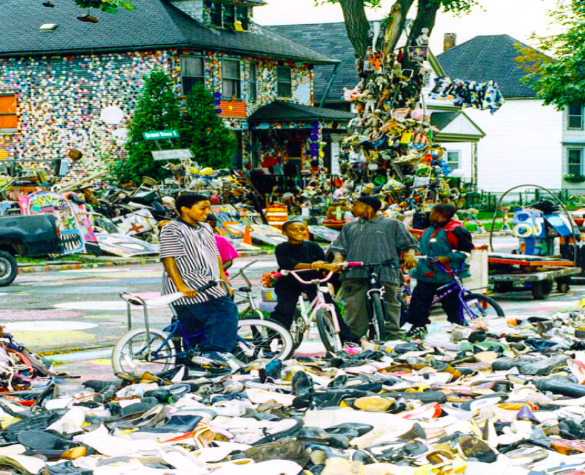
I visited the Heidelberg Project earlier this year, an outdoor art environment located in the heart of an urban residential area, which is a Detroit-based community organization dedicated to improving the lives of people and the surrounding neighborhoods.
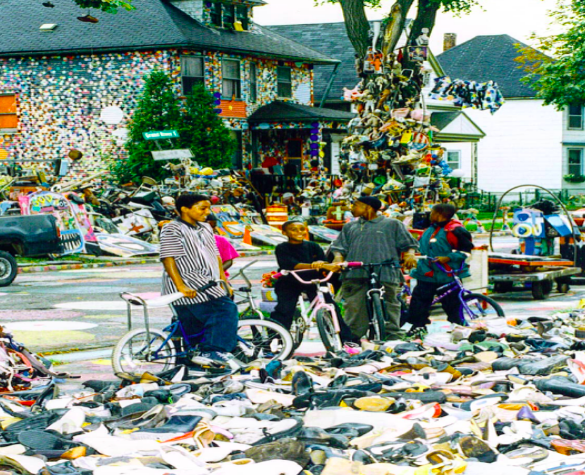

It is worth noting that one of the images above has the name of my country, namely “Congo.” Being around this place made me feel at home.
I am merely stating the obvious. People can feel safer when they are surrounded by art, which can bring communities together.
By doing so, the population can take pride in their surroundings and create a space that can be enjoyed by all. Moreover, I have realized that visiting the Heidelberg project has increased my empathy towards others, which helps to reduce social tensions and discrimination.
The purpose of this post is to highlight the importance of Art and Health Humanities during times of crisis.
Illness and literature
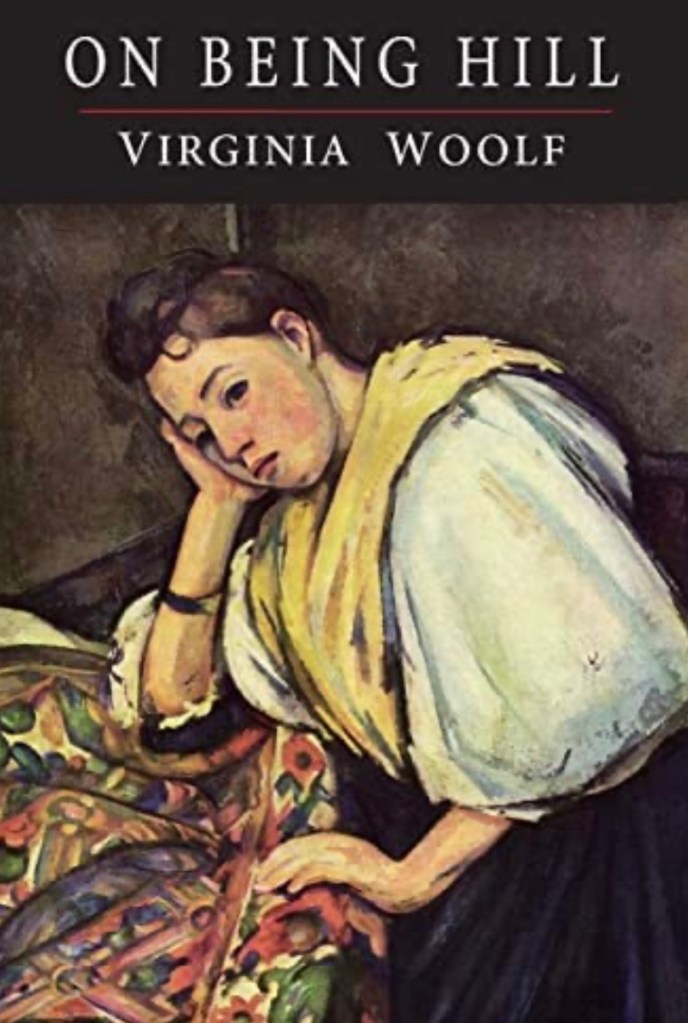
« To hinder the description of illness in literature, there is the poverty of the language. English, which can express the thoughts of Hamlet and the tragedy of Lear, has no words for the shiver and the headache. It has all grown one way »
Virginia Woolf
In the early twentieth century, Virginia Woolf wrote an essay called “On Being Ill.” Narratives about illness became popular literature. Globally, the Spanish flu pandemic killed millions. It is comparable to watching movies with split screens while reading Virginia Woolf’s essay “On Being Ill” in COVID times.
After the Spanish flu pandemic a century ago, few books were published on the subject of illness; however, today, amid the Covid-19 pandemic, illness dominates all media. By situating her essay between then and now, we realize that her work pioneered the popularization of illness narratives across fiction and nonfiction.
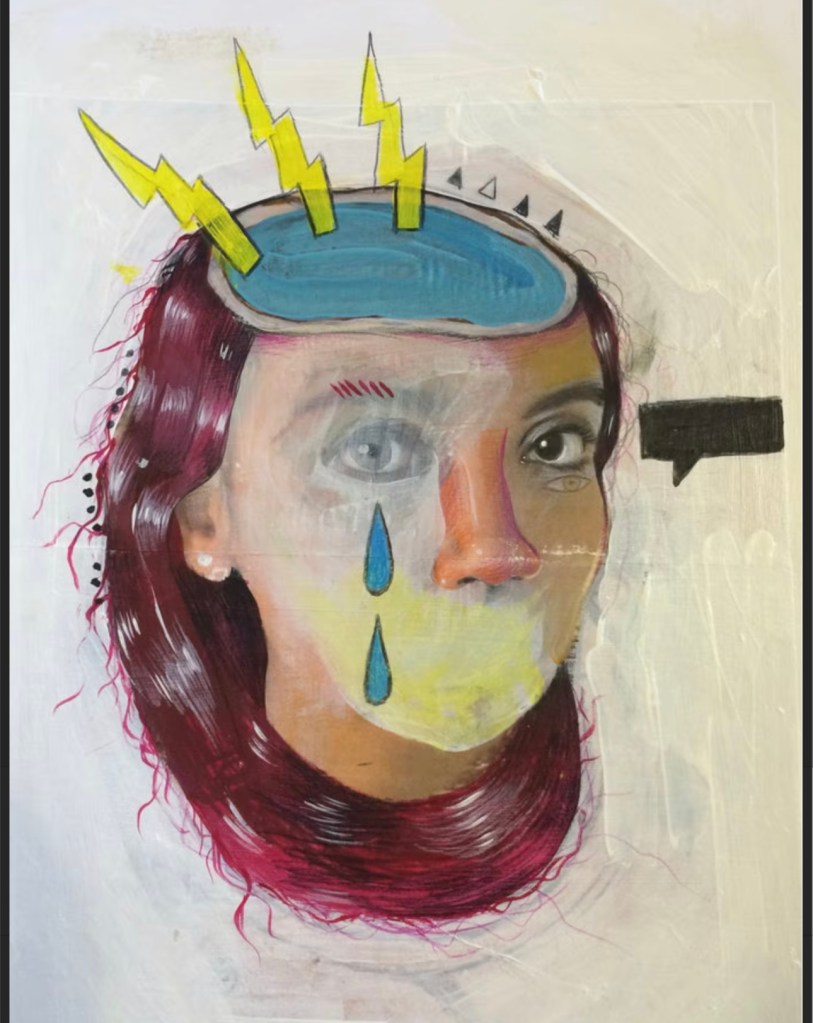
The essay by Woolf poses an undoubtedly challenging question. She acknowledges that “there is the poverty of language” as one of the barriers to writing about illness with honesty. It is invariably challenging to describe pain in a way that feels satisfying. It is something that we are never fully able to express or share with another individual in many ways. It is here that we find the problems, but also a need to revitalize how we approach illness and develop a language that best communicates the complexity of “being ill.
By connecting with Woolf, people can relate to the current COVID-19 pandemic. As in Woolf’s case, people have had Covid experienced anxiety and depression during the lockdown. In her essay, Woolf connects illness and literature scholarship. As a result, it can be integrated into public health campaigns. Moreover, Woolf’s lived experience enables us to convey the limited meaning of the illness.
 Ly-die
2 responses to “HEALTH HUMANITIES , ARTS, AND PUBLIC HEALTH PRACTICE”
Interesting article. you mentioned the concept of”poverty of language”. what is the best way to mitigate that barrier or at least most of it?
LikeLiked by 1 person
I appreciate you taking the time to read the article and to ask such an insightful question. In the following post, I am going to discuss the “poverty of language” concept, and the kind of language that can be developed that will be most effective in communicating the complexity of “being ill.”
Thanks in advance for any constructive feedback you may have.
LikeLike