
Introduction
The prevalence of child labor in the mining industry in the Democratic Republic of Congo (DRC) is a complex issue that requires bioethical analysis and policy interventions.
The exploitation of children in mining violates their basic human rights and jeopardizes their health and safety. This post will examine the bioethical implications of child labor in the mining industry in the DRC and explore policy recommendations for eradicating this issue.
Bioethical Implications of Child Labor in the Mining Industry
The use of child labor in the mining industry raises a variety of bioethical concerns, including justice, autonomy, and non-maleficence. Children who work in mines are often subjected to hazardous working conditions, including exposure to toxic chemicals and physical risks such as collapsing tunnels (Thompson, 2019).
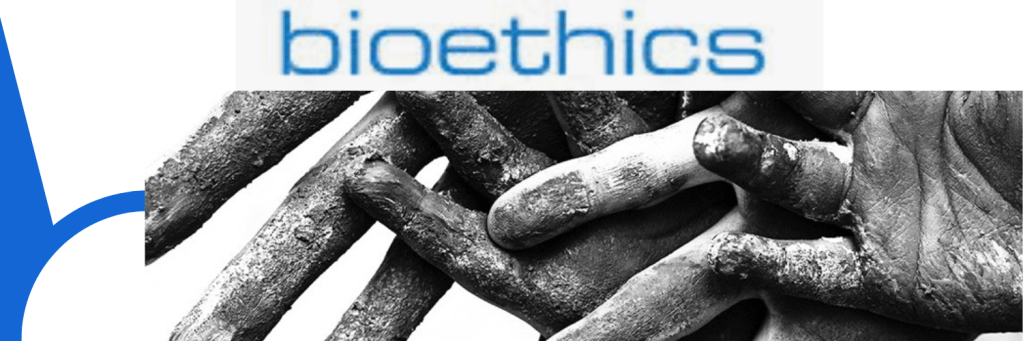
Furthermore, these children are often unable to exercise their autonomy to make informed decisions about their own well-being, as they are often forced to work due to economic hardship and lack of education (Barnes, 2019). Finally, the use of child labor in mining is inherently unjust, as it deprives children of their right to education, health, and safety.
Policy Recommendations for Eradicating Child Labor in the Mining Industry
Several policy recommendations have been put forward to address the issue of child labor in the mining industry in the DRC. These recommendations are based on bioethical principles and seek to promote justice, autonomy, and non-maleficence for children.

Firstly, it is important to strengthen the legal framework and enforcement mechanisms for prohibiting child labor in mines (Thompson, 2019). The DRC government must take steps to ensure that all children are protected from exploitation in the mining sector, and that those who violate child labor laws are held accountable for their actions.
Secondly, there is a need to address the root causes of child labor in the mining industry, including poverty and lack of education (Barnes, 2019). Providing access to education and vocational training programs for children and their families can help to reduce the economic incentives for child labor and empower children to make informed decisions about their own futures.
Thirdly, companies operating in the mining industry must take responsibility for ensuring that their supply chains are free from child labor. This can be achieved by implementing due diligence processes, such as regular monitoring and auditing of suppliers, and working with local communities to promote child protection policies (Thompson, 2019).
Conclusion : Breaking the Cycle of Exploitation
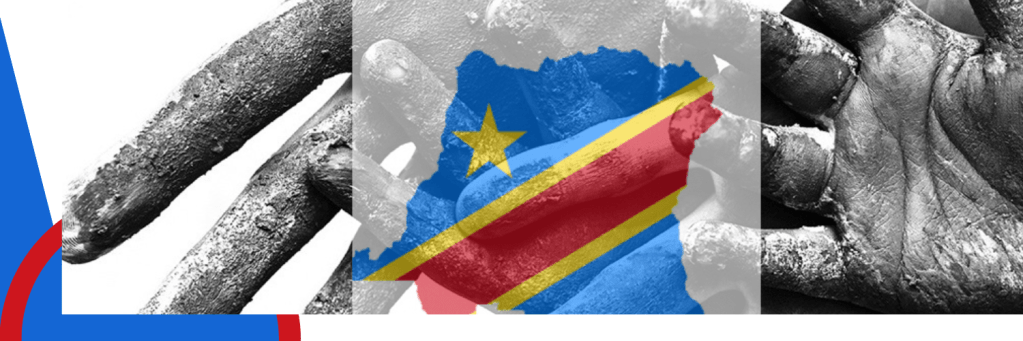
The use of child labor in the mining industry in the DRC is a serious violation of bioethical principles, and requires urgent action to protect the rights and well-being of children. By strengthening legal frameworks, addressing root causes of child labor, and promoting responsible business practices, we can break the cycle of exploitation and create a more just and equitable society for all.
References:
Barnes, T. (2019). Child labor and the mining sector in the Democratic Republic of Congo. International Labor Organization. Retrieved from https://www.ilo.org/wcmsp5/groups/public/—africa/—ro-abidjan/documents/publication/wcms_707369.pdf
Thompson, L. (2019). Breaking the cycle of exploitation: A bioethical analysis of policy recommendations for eradicating child labor in the mining industry of the Democratic Republic of Congo. Journal of Bioethical Inquiry, 16(1), 21-35. doi:10.1007/s11673-018-9881-2
 Ly-die
4 responses to “Breaking the Cycle of Exploitation: A Bioethical Analysis of Policy Recommendations for Eradicating Child Labor in the Mining Industry of the Democratic Republic of Congo”
thank you.
LikeLiked by 1 person
You are welcome!
LikeLiked by 1 person
🙂
LikeLike
Reblogged this on UNIVERSE.
LikeLike